16 Days of Activism Against Gender-Based Violence 2020

From 25 November, the International Day for the Elimination of Violence against Women, to 10 December, Human Rights Day, the 16 Days of Activism against Gender-Based Violence Campaign is a time to galvanize action to end gender-based violence around the world.

The mission of the global campaign is:

  • raising awareness about gender-based violence as a human rights issue at the local, national, regional and international levels
  • strengthening local work around violence against women
  • establishing a clear link between local and international work to end violence against women
  • providing a forum in which organisers can develop and share new and effective strategies
  • demonstrating the solidarity of women around the world organising against violence against women
  • creating tools to pressure governments to implement promises made to eliminate violence against women

Communities all over the world held events and raised their voices to tackle gender-based violence. In 2020, Barking and Dagenham reflected on the impacts of gender-based violence in the context of a global pandemic.


Every day throughout the 16 Days we invited you to join an online conversation with us. We posted a piece of learning or information about local services from different perspectives and you discussed your thoughts and feelings in this space.


If you or a friend is need of support, please see links to in the chats for information or head to https://www.lbbd.gov.uk/domestic-abuse-and-sexual-violence


From 25 November, the International Day for the Elimination of Violence against Women, to 10 December, Human Rights Day, the 16 Days of Activism against Gender-Based Violence Campaign is a time to galvanize action to end gender-based violence around the world.

The mission of the global campaign is:

  • raising awareness about gender-based violence as a human rights issue at the local, national, regional and international levels
  • strengthening local work around violence against women
  • establishing a clear link between local and international work to end violence against women
  • providing a forum in which organisers can develop and share new and effective strategies
  • demonstrating the solidarity of women around the world organising against violence against women
  • creating tools to pressure governments to implement promises made to eliminate violence against women

Communities all over the world held events and raised their voices to tackle gender-based violence. In 2020, Barking and Dagenham reflected on the impacts of gender-based violence in the context of a global pandemic.


Every day throughout the 16 Days we invited you to join an online conversation with us. We posted a piece of learning or information about local services from different perspectives and you discussed your thoughts and feelings in this space.


If you or a friend is need of support, please see links to in the chats for information or head to https://www.lbbd.gov.uk/domestic-abuse-and-sexual-violence


Perspectives

Thank you for sharing your story with us.

All fields marked with an asterisk (*) are required.

Email
loader image
Didn't receive confirmation?
Seems like you are already registered, please provide the password. Forgot your password? Create a new one now.
Cancel
  • 25th November: International Day for the Elimination of Violence Against Women

    over 5 years ago

    Women's rights activists have observed 25 November as a day against gender-based violence since 1981. This date was selected to honour the Mirabal sisters, three political activists from the Dominican Republic who were brutally murdered in 1960 by order of the country’s ruler, Rafael Trujillo (1930-1961).

    On 20 December 1993, the General Assembly adopted the Declaration on the Elimination of Violence against Women through resolution 48/104, paving the path towards eradicating violence against women and girls worldwide.

    The United Nations defines violence against women as “any act of gender-based violence that results in, or is likely to result in, physical... Continue reading

    Women's rights activists have observed 25 November as a day against gender-based violence since 1981. This date was selected to honour the Mirabal sisters, three political activists from the Dominican Republic who were brutally murdered in 1960 by order of the country’s ruler, Rafael Trujillo (1930-1961).

    On 20 December 1993, the General Assembly adopted the Declaration on the Elimination of Violence against Women through resolution 48/104, paving the path towards eradicating violence against women and girls worldwide.

    The United Nations defines violence against women as “any act of gender-based violence that results in, or is likely to result in, physical, sexual or psychological harm or suffering to women, including threats of such acts, coercion or arbitrary deprivation of liberty, whether occurring in public or in private life.

    Gender based Violence is violence directed against a person because of that person's gender or violence that affects persons of a particular gender disproportionately.

    We would normally use today as the launch to the 16 Days of Activism Campaign, and would meet to share stories, learning (and the occasional cake!). Let us start this year with check in, how are you feeling right now and how would you like to participate in the next 16 days?


    Find out more here:

    UN page on International Day for the Elimination of Violence Against Women

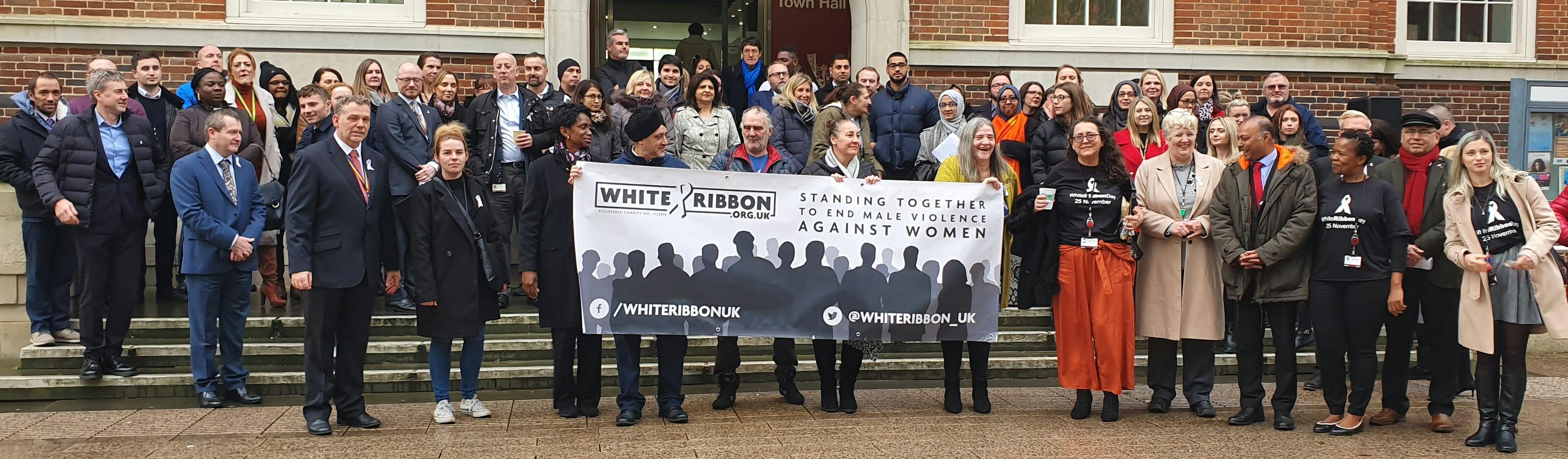
    White Ribbon UK

    Support Links:

    Domestic and Sexual Violence Services

    National Stalking Helpline

    Email
    loader image
    Didn't receive confirmation?
    Seems like you are already registered, please provide the password. Forgot your password? Create a new one now.
    Submitting your comment
    Cancel
  • 26th November: Carers Rights Day

    over 5 years ago


    Today is our first crossover day! Throughout the 16 Days of Activism there are several other national awareness days and so we want to reflect on what connections there might be between each one and the 16 Days of Activism Against Gender Based Violence.

    Each year Carers UK holds Carers Rights Day to bring organisations across the UK together to help carers in their local community know their rights and find out how to get the help and support they are entitled to (see our links in the chat for support links).

    There are different types of caring responsibilities. Children... Continue reading


    Today is our first crossover day! Throughout the 16 Days of Activism there are several other national awareness days and so we want to reflect on what connections there might be between each one and the 16 Days of Activism Against Gender Based Violence.

    Each year Carers UK holds Carers Rights Day to bring organisations across the UK together to help carers in their local community know their rights and find out how to get the help and support they are entitled to (see our links in the chat for support links).

    There are different types of caring responsibilities. Children and young people who look after a parent or relative who is ill, physically or mentally disabled, drug dependant or an alcoholic are known as young carers. The full extent of young caring in the UK is hard to gauge as many young carers go unidentified and some are fearful of intrusion or unwelcome intervention into family life. Young carers may be particularly vulnerable as they may not be receiving the level or quality of parenting that would normally be expected due to the limited capacities of their own carer; and may be spending a considerable period of their time caring, leaving limited time and energy for other activities.

    Young Carers can be vulnerable to lots of different types of gender-based violence from domestic abuse (in the home or within their own relationships), exploitation and grooming to harmful practices.

    We want to shoutout to an amazing local organisation: Barking and Dagenham Young Carers . They offer chat and advice, a wide range of support through friendly support workers, outings and events, connection to other young carers, help with tutors and future planning. They have been a regular and consistent member of the Domestic Abuse Operational Forum in the borough and have actively sought out support for their young carers.

    Would you know how to spot the signs a Young Carer might be experiencing gender-based violence? Please add your views below!

    Some useful support links:

    Barking and Dagenham Young Carers

    Support for Carers

    Domestic and Sexual Violence Services


    Email
    loader image
    Didn't receive confirmation?
    Seems like you are already registered, please provide the password. Forgot your password? Create a new one now.
    Submitting your comment
    Cancel
  • 27th November: Children and domestic abuse
    over 5 years ago

    The NSPCC reports that since the introduction of national lockdown measures, the number of contacts to the NSPCC helpline from people concerned about children living in homes with domestic abuse rose by 49 per cent.The latest figures show that between April and September 2020, more than 4,500 concerns were raised by members of the public, with 818 contacts in August alone. The numbers are supported by the experiences of frontline staff who work with mothers and children facing domestic abuse at home.

    The NSPCC is able to raise safeguarding concerns for those children to make sure they are connected to... Continue reading

    The NSPCC reports that since the introduction of national lockdown measures, the number of contacts to the NSPCC helpline from people concerned about children living in homes with domestic abuse rose by 49 per cent.The latest figures show that between April and September 2020, more than 4,500 concerns were raised by members of the public, with 818 contacts in August alone. The numbers are supported by the experiences of frontline staff who work with mothers and children facing domestic abuse at home.

    The NSPCC is able to raise safeguarding concerns for those children to make sure they are connected to local support services. Often safeguarding makes people think of social services and people might think children will be taken away. Here in Barking and Dagenham our Children’s Care and Support service are adopting the Safe and Together approach – keeping children safe and together with the non-abusing parent and working with the abusive parent to make the changes required to keep the child safe.

    We have just started training our social workers on this model as we can see that partnering with and supporting the person being abused means we will be better able to keep the children safe.

    It is harrowing to think of children and young people experiencing abuse, but we must, as the impacts of domestic abuse are huge, and we all have a part to play in keeping children safe. You can learn more at the resource’s links posted in the chat.

    What opportunities do you think there are to keep children safe from violence and abuse? Please add your ideas in the comment box below.

    NSPCC

    Safeguarding Children in Barking and Dagenham

    Early Help

    #BDProtect

    Domestic and Sexual Violence Services

    Email
    loader image
    Didn't receive confirmation?
    Seems like you are already registered, please provide the password. Forgot your password? Create a new one now.
    Submitting your comment
    Cancel
  • 28th November: Men's Experience

    over 5 years ago

    The Respect Men’s Advice Line, which offers support to men experiencing domestic abuse, says that it received 13,812 calls and emails between April and July in lockdown. This represents a 60% increase on the same time the year before.

    The Respect Men’s Advice Line has reported that the biggest increase in contact with abuse victims came through emails and the service saw the volume of emails increase by 96%. The callers to the advice line were talking about increases in violence, increases in psychological abuse and becoming homeless because of the domestic abuse and not having anywhere to go. Some... Continue reading

    The Respect Men’s Advice Line, which offers support to men experiencing domestic abuse, says that it received 13,812 calls and emails between April and July in lockdown. This represents a 60% increase on the same time the year before.

    The Respect Men’s Advice Line has reported that the biggest increase in contact with abuse victims came through emails and the service saw the volume of emails increase by 96%. The callers to the advice line were talking about increases in violence, increases in psychological abuse and becoming homeless because of the domestic abuse and not having anywhere to go. Some reported sleeping in their cars overnight or sleeping in their friends’ or parents’ gardens in tents.

    There are lots of strands of violence against women and girls such as domestic abuse, sexual violence, sexual exploitation, female genital mutilation, so called ‘honour’-based violence, forced marriage, and many more. The language is important as it recognises that women and girls are disproportionately impacted by violence and abuse on a global, national and regional scale.

    However, men can (and do) experience some of these same crime types, such as domestic abuse, forced marriage and so called ‘honour’-based violence. Often men report barriers in seeking support, they might not feel that services are ‘for’ them or that they will be believed. The public perception of domestic abuse can leave many men feeling that they should be able to cope. It is not ok regardless of who it is happening to or by and there are services that can help.

    Statistics suggest 1 in 6 men will experience domestic abuse at some point in their lives. Were you aware of this? Does it surprise you? Please add your views in the comment box below.

    Support Links:

    Respect Phoneline

    ManKind

    Survivors UK

    Domestic and Sexual Violence Services

    Respect Male Victims Standard

    Email
    loader image
    Didn't receive confirmation?
    Seems like you are already registered, please provide the password. Forgot your password? Create a new one now.
    Submitting your comment
    Cancel
  • 29th November: Older People’s Experiences of Domestic Abuse

    over 5 years ago

    Age UK, recently released a report called No Age Limit: The Blind Spot of Older Victims and Survivors in the Domestic Abuse Bill which reports that the lockdown has increased the risk of older people experiencing domestic abuse, despite misconceptions that those living with others are ‘fortunate’ and ‘safe’. Such abuse victims are likely to be dependent on the person abusing them financially or for their care. They will face, in addition to fear, barriers to reporting this abuse such as lack of physical and mental capacity and a lack of access to digital or other services.

    Age UK is... Continue reading

    Age UK, recently released a report called No Age Limit: The Blind Spot of Older Victims and Survivors in the Domestic Abuse Bill which reports that the lockdown has increased the risk of older people experiencing domestic abuse, despite misconceptions that those living with others are ‘fortunate’ and ‘safe’. Such abuse victims are likely to be dependent on the person abusing them financially or for their care. They will face, in addition to fear, barriers to reporting this abuse such as lack of physical and mental capacity and a lack of access to digital or other services.

    Age UK is asking the government to consider how to make the best use of resources to tackle domestic abuse among older people and is calling for the training for health care practitioners, including GPs and practice nurses, who work with older people, particularly during hospital admission and discharge and data on domestic abuse for all ages, not just people aged 74 and under.

    In Barking and Dagenham this is an area we want to get better at, and we were pleased to see that the IRIS programme recently came to the borough – a programme to improve identification of domestic abuse in GP practices and improve the response and referrals into specialist support. Adult’s social care play a big part in our local partnership groups too, in relation to domestic abuse.

    What sort of barriers do you think older people face when dealing with domestic abuse? Please add your views below.

    Resources and Support Links:

    No Age Limit: The Blind Spot of Older Victims and Survivors in the Domestic Abuse Bill

    Age UK Advice Line

    Domestic and Sexual Violence Services

    Hourglass: Safer Aging, Stopping Abuse

    Email
    loader image
    Didn't receive confirmation?
    Seems like you are already registered, please provide the password. Forgot your password? Create a new one now.
    Submitting your comment
    Cancel
  • 30th November: Online Safety and Tech Abuse

    over 5 years ago

    Today is National Computer Security Day. Every day, computers become faster and more advanced. Protecting the resources, tools, and information on them protects the people who use them, too. Modern technology gives perpetrators of abuse ever-growing ways to stalk, isolate and control their victims using the tools of everyday life.

    Across Refuge’s services, perpetrators are increasingly using technology to facilitate their abuse of the women Refuge support. Abusers can and have gained access to women’s personal and home devices, their online accounts and even children’s toys and devices.

    We have found a rise in the number of women whose children’s... Continue reading

    Today is National Computer Security Day. Every day, computers become faster and more advanced. Protecting the resources, tools, and information on them protects the people who use them, too. Modern technology gives perpetrators of abuse ever-growing ways to stalk, isolate and control their victims using the tools of everyday life.

    Across Refuge’s services, perpetrators are increasingly using technology to facilitate their abuse of the women Refuge support. Abusers can and have gained access to women’s personal and home devices, their online accounts and even children’s toys and devices.

    We have found a rise in the number of women whose children’s IPads, Xboxes and PlayStations have been hacked by the perpetrator to gain full access to their accounts, to trace information such as the child’s location, who they are speaking to and what games they are playing.

    Aside from the many ways, perpetrators are choosing to use technology to abuse partners and family members, children and young people are particularly vulnerable to online grooming.

    What are your views? please add them in the comment box below.

    Support Links:

    Refuge Tech Abuse

    Domestic and Sexual Violence Services

    Resource Links:

    NSPCC article on online grooming

    Childline – Staying Safe Online

    Internet Watch Foundation


    Email
    loader image
    Didn't receive confirmation?
    Seems like you are already registered, please provide the password. Forgot your password? Create a new one now.
    Submitting your comment
    Cancel
  • 1st December: Tackling Cause of Domestic Abuse
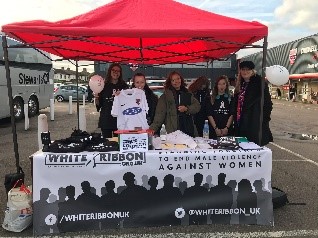
    over 5 years ago

    There is no doubt that the women’s sector and domestic abuse sector has pushed forwards massive change over previous decades and there will always be a need for quality specialist services to assist survivors of domestic abuse. But victim/survivors are not to blame for the abuse they face, the cause sits squarely with the person perpetrating it.

    In Barking and Dagenham, we have progressed significantly over the last 12 months. Initially through the LBBD Domestic and Sexual Violence Service we commissioned targeted perpetrator work alongside Refuge. As COVID restrictions first came in we noticed increased calls to the Respect Helpline... Continue reading

    There is no doubt that the women’s sector and domestic abuse sector has pushed forwards massive change over previous decades and there will always be a need for quality specialist services to assist survivors of domestic abuse. But victim/survivors are not to blame for the abuse they face, the cause sits squarely with the person perpetrating it.

    In Barking and Dagenham, we have progressed significantly over the last 12 months. Initially through the LBBD Domestic and Sexual Violence Service we commissioned targeted perpetrator work alongside Refuge. As COVID restrictions first came in we noticed increased calls to the Respect Helpline at a similar rate to survivor helplines, and we had men perpetrators wanting to engage and professionals calling out for support. Cranstoun came to the borough in May 2020 and started delivering their Men and Masculinities course to great success and within the first quarter of delivery have filled their programmes.

    People who choose to use abusive behaviours can also choose to stop, and there is support available to assist with changing behaviour (support links in the first comment).

    Do you think that working with perpetrators is important when addressing domestic abuse – do you think it can be effective? Please add your views in the comment box below.

    Support links:

    Respect Phone Line

    Cranstoun (Local Group)

    Domestic and Sexual Violence Services

    Resources:

    Mirabel Report – Steps Towards Change

    The impact of domestic violence perpetrator programmes on victim and criminal justice outcomes: A systematic review of reviews of research evidence


    Email
    loader image
    Didn't receive confirmation?
    Seems like you are already registered, please provide the password. Forgot your password? Create a new one now.
    Submitting your comment
    Cancel
  • 2nd December: DV FLAG East

    over 5 years ago

    DV FLAG East were set up in 2019 as a response to inconsistent access to quality legal advice for families experiencing domestic abuse in Barking and Dagenham. It brings together the knowledge and experience of a committed council legal team, the local legal advice charity Citizen’s Advice Barking and Dagenham and a partnership of local family law firms to improve access to legal aid and advice and develop best practice pro bono approach for those who cannot access legal aid.

    The work is genuinely innovative and has attracted a lot of interest. The project has been shortlisted for a Family... Continue reading

    DV FLAG East were set up in 2019 as a response to inconsistent access to quality legal advice for families experiencing domestic abuse in Barking and Dagenham. It brings together the knowledge and experience of a committed council legal team, the local legal advice charity Citizen’s Advice Barking and Dagenham and a partnership of local family law firms to improve access to legal aid and advice and develop best practice pro bono approach for those who cannot access legal aid.

    The work is genuinely innovative and has attracted a lot of interest. The project has been shortlisted for a Family Law Awards 2020 – for the Community Interaction Award.

    Barking and Dagenham legal team has been shortlisted for two LawWorks Pro Bono Awards: Pro Bono Awards Best Contribution by an In-House Team and Most Effective Pro Bono Partnership.

    Did you know about DV FLAG East? What are your thoughts on the upcoming Domestic abuse Bill, which is due for its second hearing in the House of Lords? Please use the comment box below.


    Support Links:

    DV FLAG East

    Domestic and Sexual Violence Services

    Resources:

    Safety from Domestic Abuse and Special Measures in Remote and Hybrid Hearings: Family Justice Council Guidance

    VIDEO: Domestic abuse injunctions in the family court

    Remote hearings in the family

    justice system: reflections and

    experiences. Follow-up consultation (September 2020)

    Remote hearings in the family

    justice system: reflections and

    experiences. Online survey results (part of the follow-up consultation September 2020)

    Awards:

    Family Law Awards

    LawWorks Pro Bono Awards


    Email
    loader image
    Didn't receive confirmation?
    Seems like you are already registered, please provide the password. Forgot your password? Create a new one now.
    Submitting your comment
    Cancel
  • 3rd December: National Disability Day

    over 5 years ago

    National Disability Day is an international observance promoted by the United Nations since 1992. The observance of the day aims to promote an understanding of disability issues and mobilise support for the dignity, rights and well-being of persons with disabilities.

    Our local service DABD in Barking and Dagenham’s can assist people with

    •Benefits & Financial Advice

    •Support into Education, Skills & Employment

    •Personal Care

    •Accessible Transport

    Did you know disabled women are twice as likely to experience domestic abuse compared to non-disabled women and are likely to experience the abuse for a longer period. Disabled people are more likely to... Continue reading

    National Disability Day is an international observance promoted by the United Nations since 1992. The observance of the day aims to promote an understanding of disability issues and mobilise support for the dignity, rights and well-being of persons with disabilities.

    Our local service DABD in Barking and Dagenham’s can assist people with

    •Benefits & Financial Advice

    •Support into Education, Skills & Employment

    •Personal Care

    •Accessible Transport

    Did you know disabled women are twice as likely to experience domestic abuse compared to non-disabled women and are likely to experience the abuse for a longer period. Disabled people are more likely to experience abuse from an adult family member compared to non-disabled people.

    Were you aware of these statistics? Do they surprise you and what sort of barriers do you think disabled people might face trying to get support if they experience domestic abuse and/or sexual violence? Please add your thoughts in the comment box below.

    Support Links:

    DABD

    Deaf Hope

    Respond

    Domestic and Sexual Violence Services

    Resources:

    SafeLives

    Stay Safe East


    Email
    loader image
    Didn't receive confirmation?
    Seems like you are already registered, please provide the password. Forgot your password? Create a new one now.
    Submitting your comment
    Cancel
  • 4th December: Harmful Practices

    over 5 years ago

    Harmful traditional practices are forms of violence which have been committed primarily against women and girls in certain communities and societies for so long that they are considered, or presented by perpetrators, as part of accepted cultural practice. The most common forms are:

    • Female Genital Mutilation is a procedure where the female genitals are deliberately cut, injured or changed, but there's no medical reason for this to be done
    • Forced Marriage - A forced marriage is where one or both people do not or cannot consent to the marriage, and pressure or abuse is used to force them into marriage
    • ... Continue reading

    Harmful traditional practices are forms of violence which have been committed primarily against women and girls in certain communities and societies for so long that they are considered, or presented by perpetrators, as part of accepted cultural practice. The most common forms are:

    • Female Genital Mutilation is a procedure where the female genitals are deliberately cut, injured or changed, but there's no medical reason for this to be done
    • Forced Marriage - A forced marriage is where one or both people do not or cannot consent to the marriage, and pressure or abuse is used to force them into marriage
    • So called ‘Honour’ Based Violence is a collection of practices used to control behaviour within families in order to protect perceived cultural and religious beliefs and/or honour. Perpetrators use violence when they perceive that a relative has shamed the family and/or community by breaking their honour code

    Less common forms include breast ironing for example. It should be noted that harmful practices can occur across all different communities and is not confined to any single group. For example, we have seen forced marriage through our specialist service for Eastern European women (delivered by Refuge), and the Excel Women’s Centre in Barking sees women from diverse backgrounds who have experienced different types of harmful practices.

    You may have seen the recent ITV documentary about Banaz Mahmod. It is horrifying to think that what happened to Banaz could happen again, but we need to be able to name the problem to tackle it. How can we work together to highlight this problem and challenge it in our communities? Please add your thoughts in in the comment box below.


    Support Links:

    Ashiana Network

    Karma Nirvana

    Southall Black Sisters

    Forward UK

    Excel Women’s Centre

    Resources:

    Forced Marriage Guidance

    FGM Resource Pack

    Email
    loader image
    Didn't receive confirmation?
    Seems like you are already registered, please provide the password. Forgot your password? Create a new one now.
    Submitting your comment
    Cancel
Page last updated: 24 Nov 2021, 03:38 PM